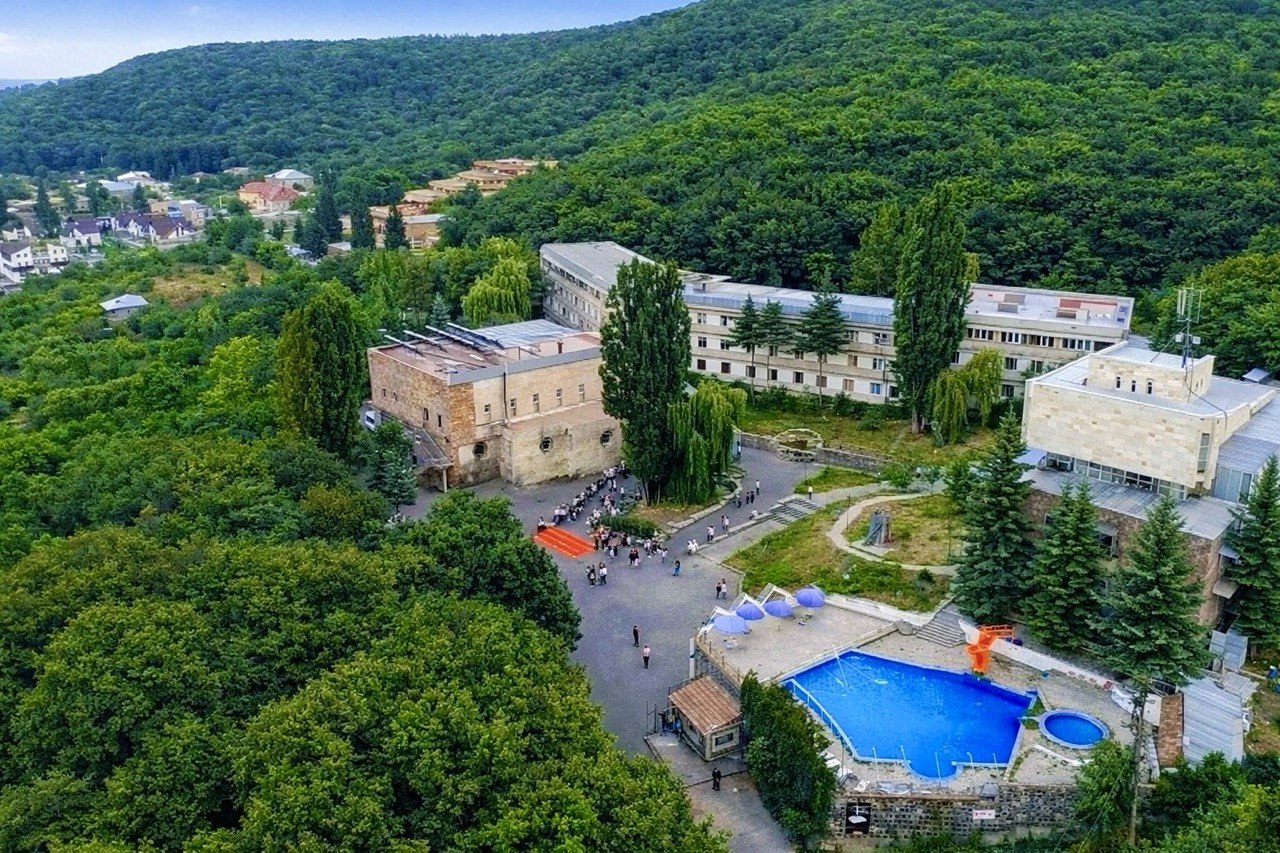
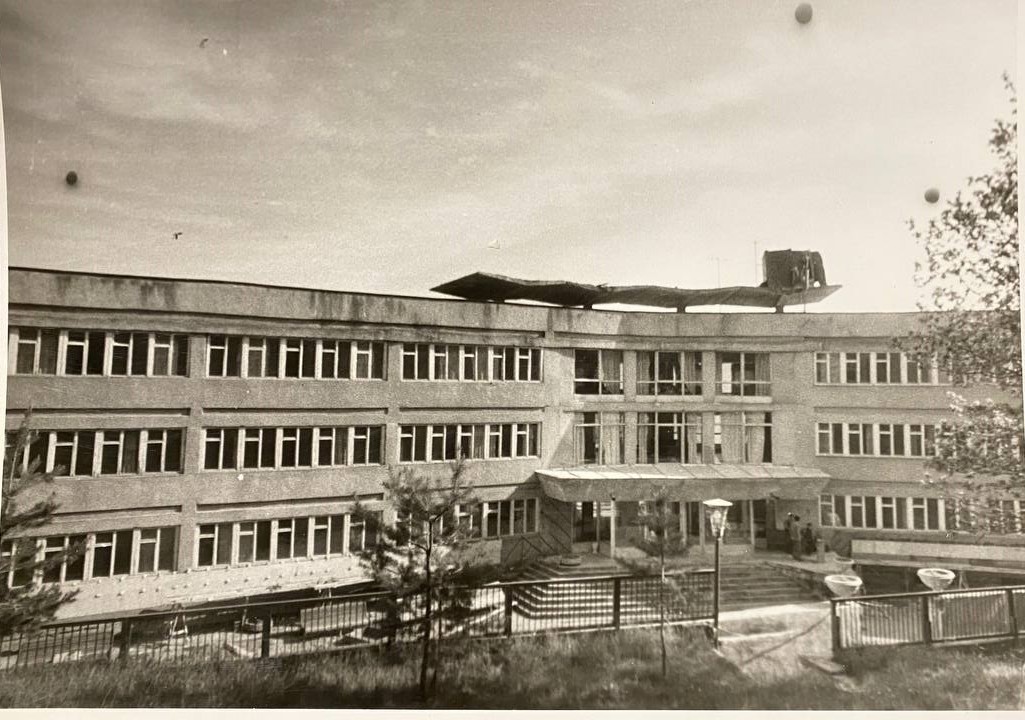
Tsaghkadzor Creative House has been operating since the 1930s. Until 1976, it was a wooden two-story cabin, which has not been preserved. Many prominent figures of Armenian literature spent their vacations here: Yeghishe Charents, Avetik Isahakyan, Nairi Zaryan, Hrachya Kochar, Mushegh Galshoyan, Vardges Petrosyan and others.
Since the opening of the new building in 1976, Tsaghkadzor creative house is in the process of constant reforms and improvement of the quantity and quality of the offered services.
The name “Tsaghkadzor” originates from the Tsaghkunyats Mountains. In ancient times, it was called Tsaghkotsadzor. During the 3rd century, Tsaghkunyats Dzor became a favored hunting ground for the Arsacid kings of Armenia. In the early Middle Ages, the province belonged to the Varazhnuni noble family, who managed the royal summer residences and hunting grounds during the 4th and 5th centuries. Between the 5th and 7th centuries, governance of the region transitioned to the Kamsarakan and Amatuni families.
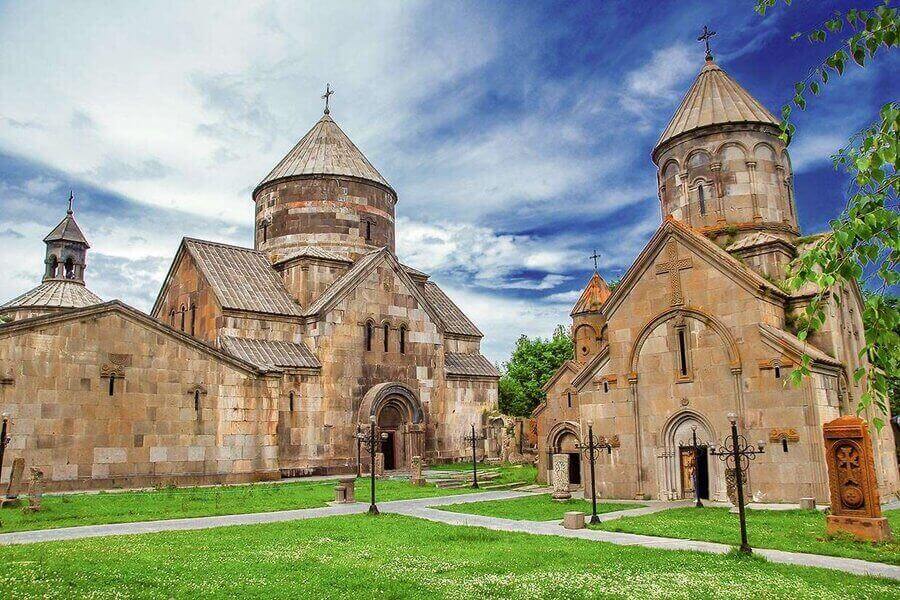
Starting from the 10th century, the Kamsarakans appeared under the new name Pahlavunis, emphasizing their origin from the ancient royal family known in the East. Grigor Magistros Pahlavuni, recognized as the head of the dynasty and a prince since 1045, built a new church in Kecharuyk in 1033, naming it after Grigor Lusavorich (Gregory the Illuminator), laying the foundation for the Kecharis Monastery complex. In 1051, he constructed the second church, Surp Nshan (Holy Sign).
The Tsaghkunyats province experienced a new economic and cultural rise in the 13th and 14th centuries under the rule of the Zakarid princes. During those centuries, Tsaghkotsadzor was governed by the Khaghbakyan or Proshyan princely dynasty. Between 1203 and 1214, Vasak Khaghbakyan initiated large-scale renovations in Kecharis, including the construction of the Surp Katoghike Church adjacent to the Surp Nshan Church.
This church, built by the architect Vetsik, is considered the most luxurious of the Kecharis Monastery churches. Another structure attributed to Vetsik is the gavit (narthex) of the Surp Astvatsatsin (Holy Mother of God) Church. Additionally, the Surp Harutyun (Holy Resurrection) Church was constructed in the area. Records from the 17th century indicate that all the churches and chapels of the monastery were still standing at that time.
However, during the 18th century, the region faced numerous Persian-Turkish wars, many of which took place in Eastern Armenia. In 1828, according to the Treaty of Turkmenchay, the Yerevan Khanate, which included the Darachichag mahal (district), was annexed to the Russian Empire. Following the 1877-78 Russo-Turkish War, thousands of refugees from Khnus, Basen, and Bagrevand settled in the villages of the Darachichag province. During the Soviet era, Darachichag preserved and developed its traditions as a tourist town. Many buildings, initially constructed as summer houses by the commercial-industrial bourgeoisie of Yerevan and Tiflis, were nationalized and repurposed for state institutions.
In 1947, Darachichag was renamed Tsaghkadzor by a decree of the Supreme Council of the USSR. The town is located in the Kotayk Province of the Republic of Armenia, 5 km northwest of the regional center Hrazdan and 58 km from Yerevan. The population is about 2,000 people, predominantly Armenians, with ethnic minorities including Russians (Malakans) and Yezidis. Tsaghkadzor is situated on the southeastern slope of the Tsaghkunyats mountain range at an elevation of 1,700-1,850 meters. The highest peaks of the range are Mount Teghenis (2,820 m) and Mount Tsaghkunyats (2,851 m). A river of the same name flows through Tsaghkadzor from west to east, joining the Marmarik River, a tributary of the Hrazdan River.
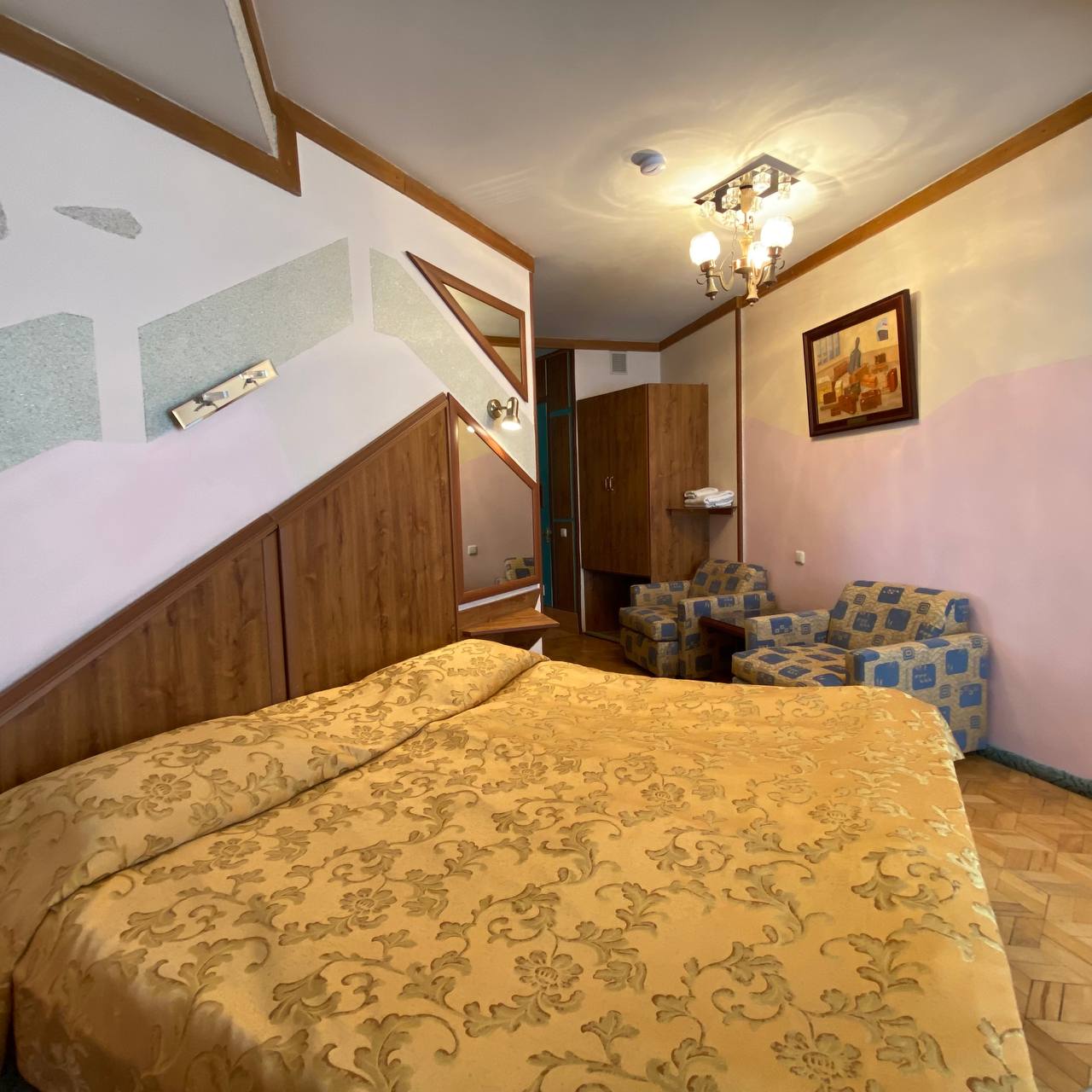
There are:
• 17 m² One room
• Double bed (1.8 × 2.0 m)
• TV
• Refrigerator
• Kettle, coffee maker, and dishes
• Armchair
• Table and chair
• Built-in wardrobe
• Wood flooring
• Bathroom
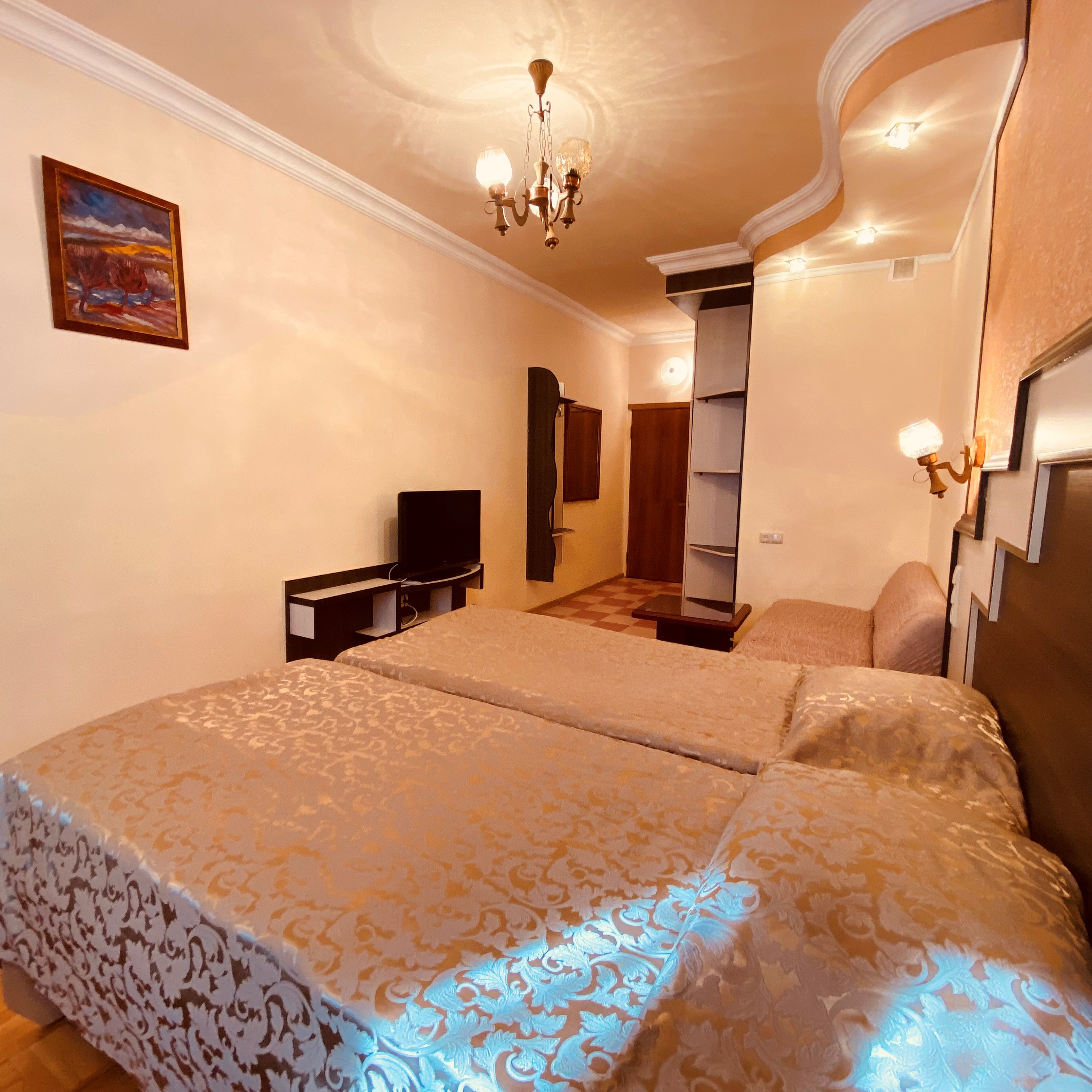
There are
• 20 m², One room
• 1 double bed (1.8 × 2.0 m) or 2 single beds (0.9 × 2.0 m)
• Standard occupancy: 2 persons
• TV
• Refrigerator
• Kettle, coffee maker, and tableware
• Hairdryer
• Sofa
• Coffee table and chair
• Built-in wardrobe
• Safe
• Bathroom (shower cabin)
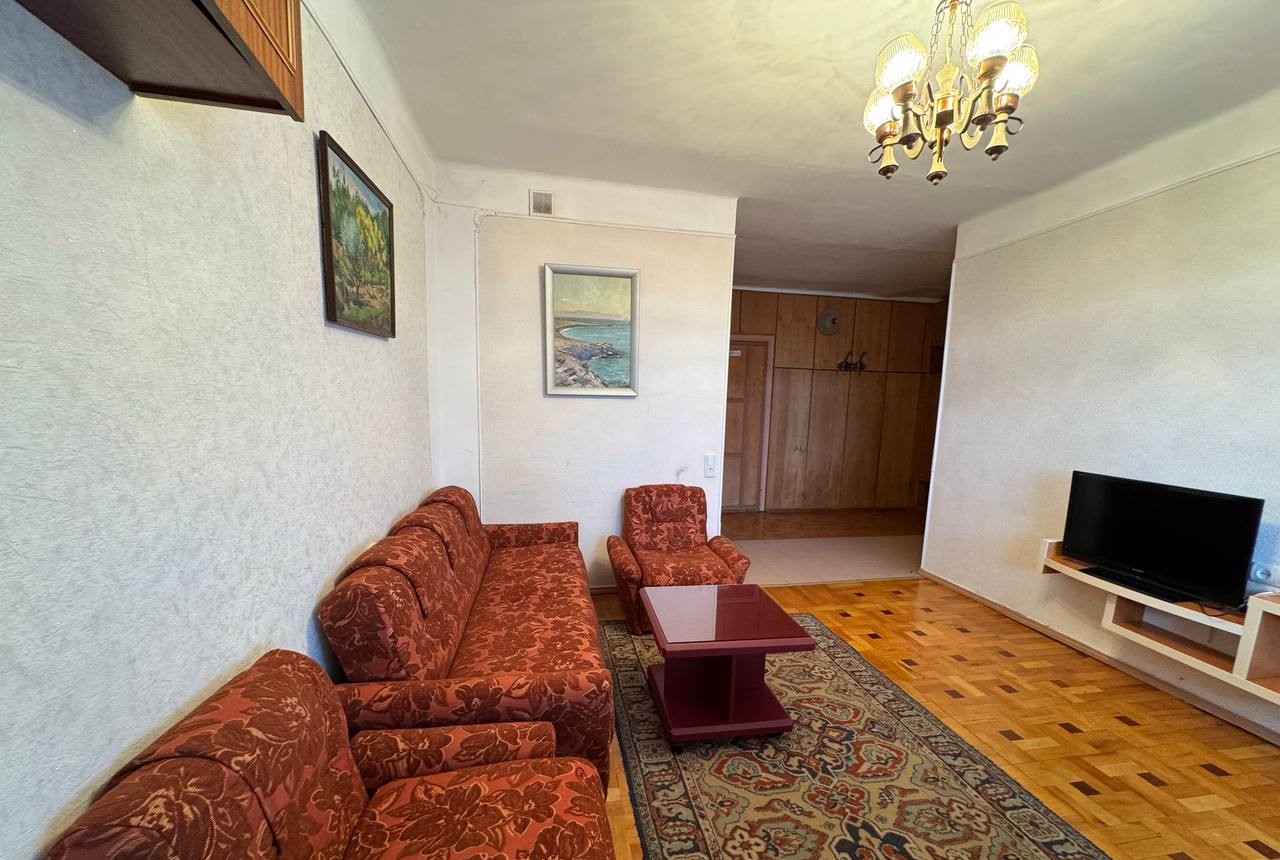
There are
36 m² two rooms (living room, bedroom)
Dishes are prepared on-site, ensuring consistent freshness, variety, and high quality of taste. Meals are served with beautiful and appetizing presentation, creating a pleasant atmosphere for every guest.
Banquets, formal lunches and dinners, as well as various types of catering events are regularly organized. Service is provided both in buffet style (Swedish table) and in a traditional format.
In the evening, you can enjoy a relaxing time in an exotically designed bar, where the ambiance encourages complete relaxation.
The hotel complex features two swimming pools: a winter pool and a summer pool.
The summer pool includes a dedicated children's area with a depth suitable even for the youngest guests. Experienced staff not only monitor the water quality but also ensure the safety of all swimmers.
The hotel features two Finnish saunas.
A smaller sauna with a jacuzzi is located in a separate area.
The second sauna is situated next to the indoor swimming pool.
A dedicated outdoor area for children’s play is available in the hotel courtyard. This cozy space is designed to ensure a fun and enjoyable time for children.
A specially designed indoor room is also available for children, featuring both a play area and an arts and crafts corner.
For winter sports enthusiasts, skis, sleds, and appropriate sportswear are also available.
The hotel complex features a multifunctional tennis court, which is also adapted for volleyball, basketball, and mini-football. Guests are provided with the necessary sports equipment, including bicycles, balls, badminton gear, and other accessories.
Beneficial Properties:
There are:
There are
There are